
Philadelphia · Main Line · Bucks · Chester · Reading · Lancaster
Old chimneys, done right.
Rowhouse and party-wall chimneys, repointing soft brick and old stone, furnace and water-heater flue liners, gas fireplaces and sweeping, from Center City to Lancaster County. We look at it first, for free, and you see the price before we start.
Start here
Name the symptom, get the remedy.
Fourteen calls we get again and again from Philly and the collar counties, the cause behind each one and what that repair runs in 2026.
Ranges are 2026 figures for Philly and the counties around it. A cleaning gets its price at the no-charge visit, and every number is on paper before a ladder goes up.
What's in your chimney
One stack, four different jobs.
Four in ten Philadelphia homes were built before 1940, and more than half are rowhouses, twins or townhouses (Census ACS 2024). Few of their chimneys still see a log fire. Most carry a furnace, boiler or water heater, and current code says a wood fireplace or stove can't share a flue with another appliance. So we find out what each flue is doing before we price anything.
Masonry
Soft old brick and older stone.
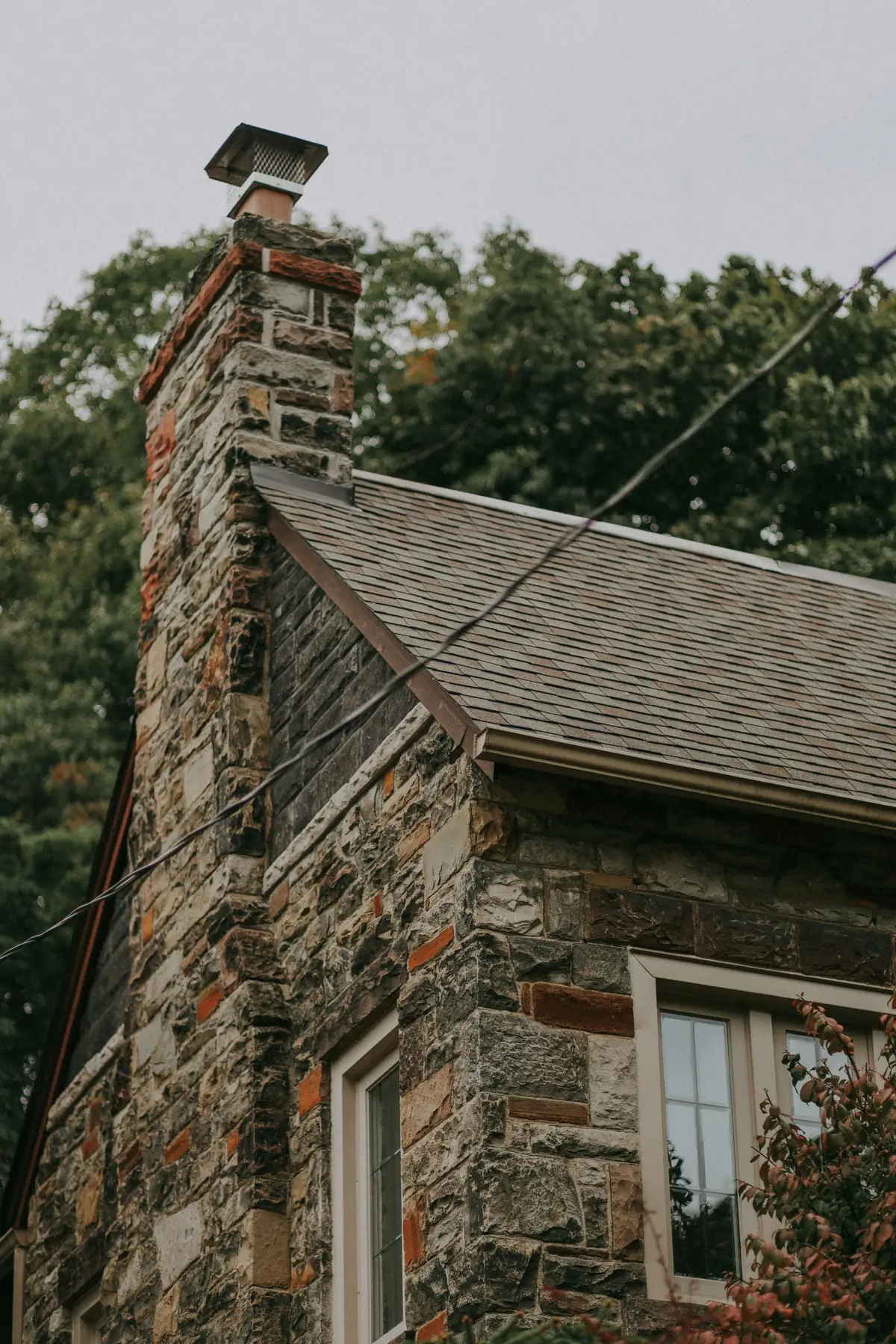
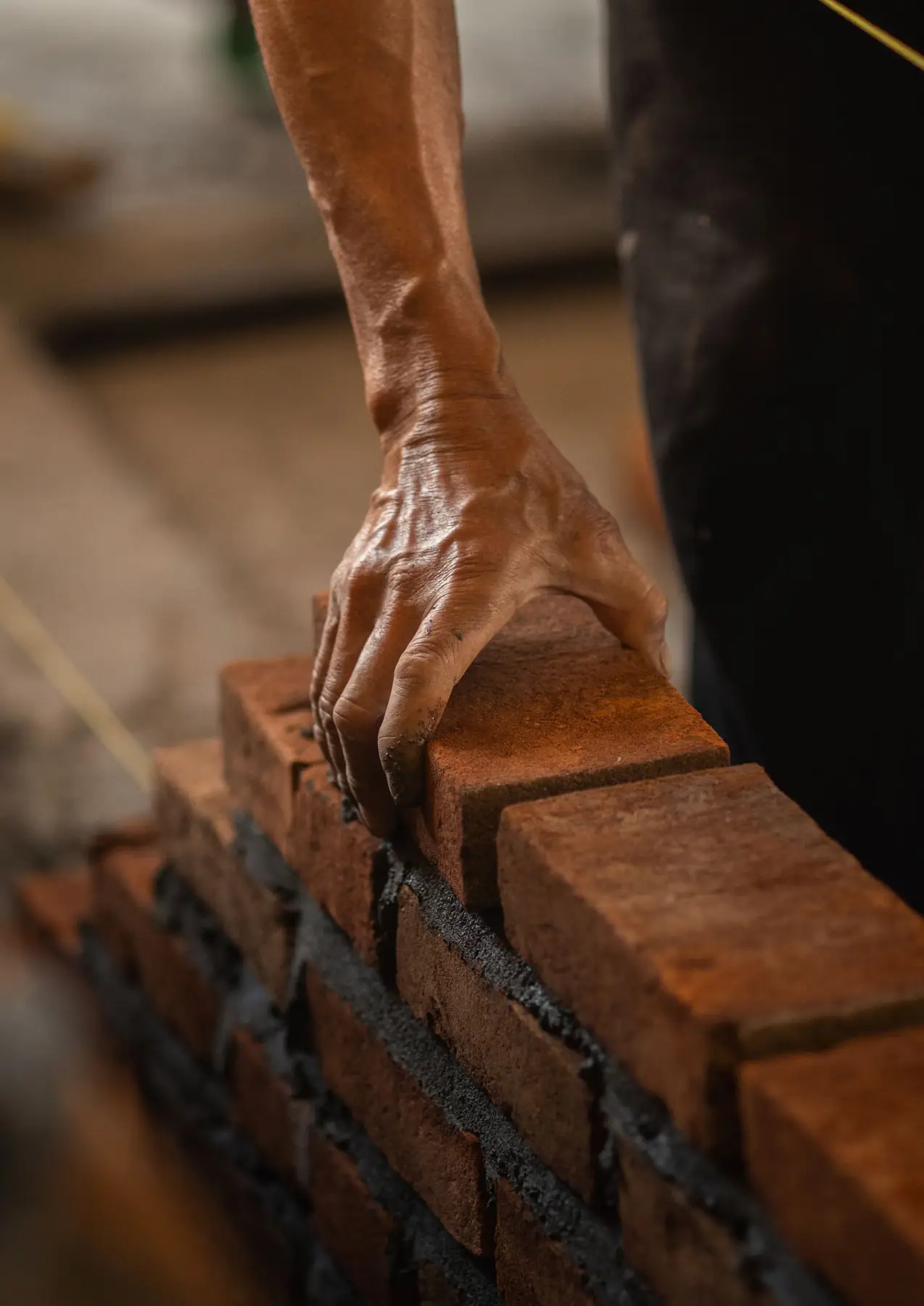
Philadelphia's rowhouse brick is hard on the face and soft inside; Chester County has stone that soaks up water. Both fail when they are pointed with mortar harder than they are. We match the mortar to the wall.
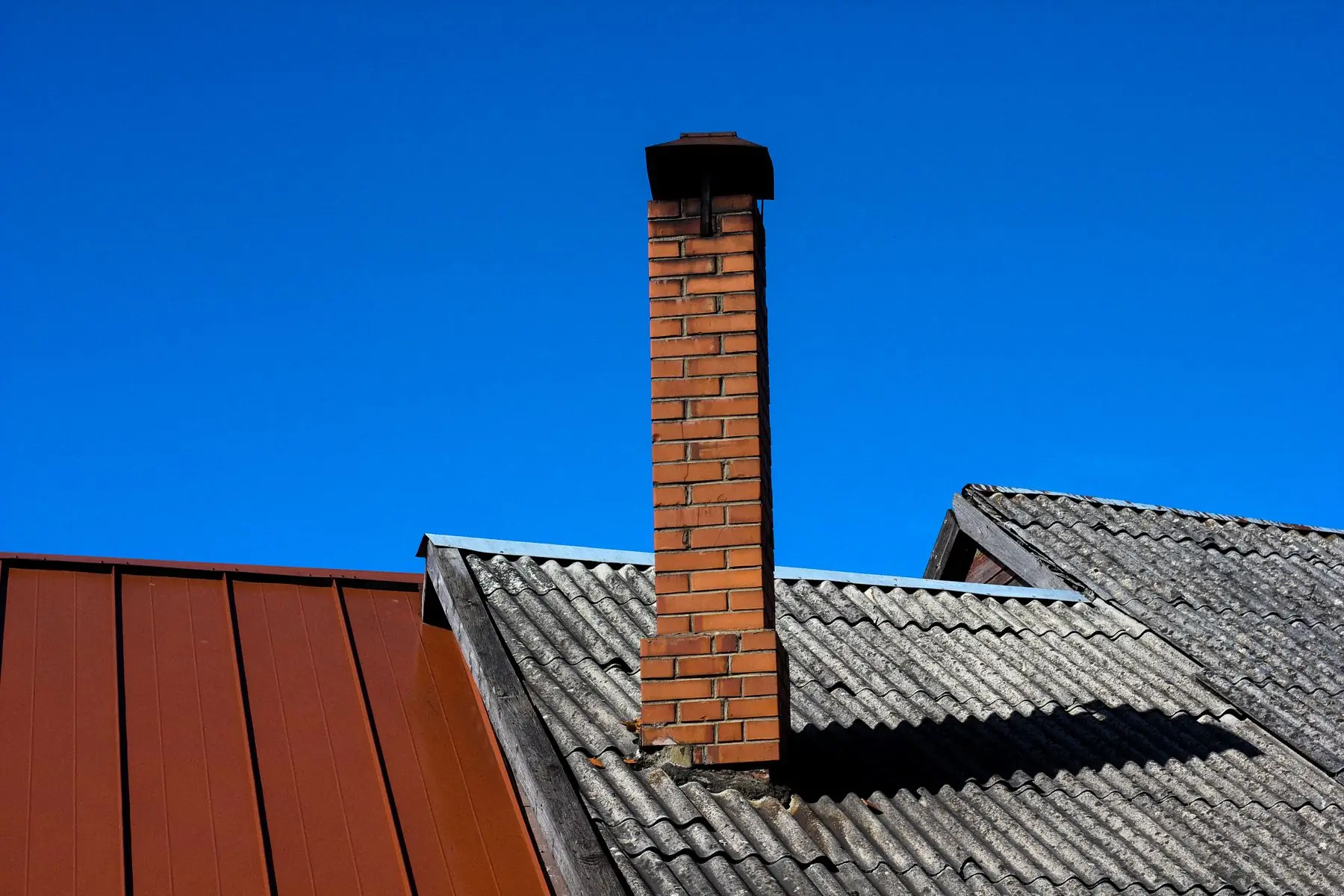
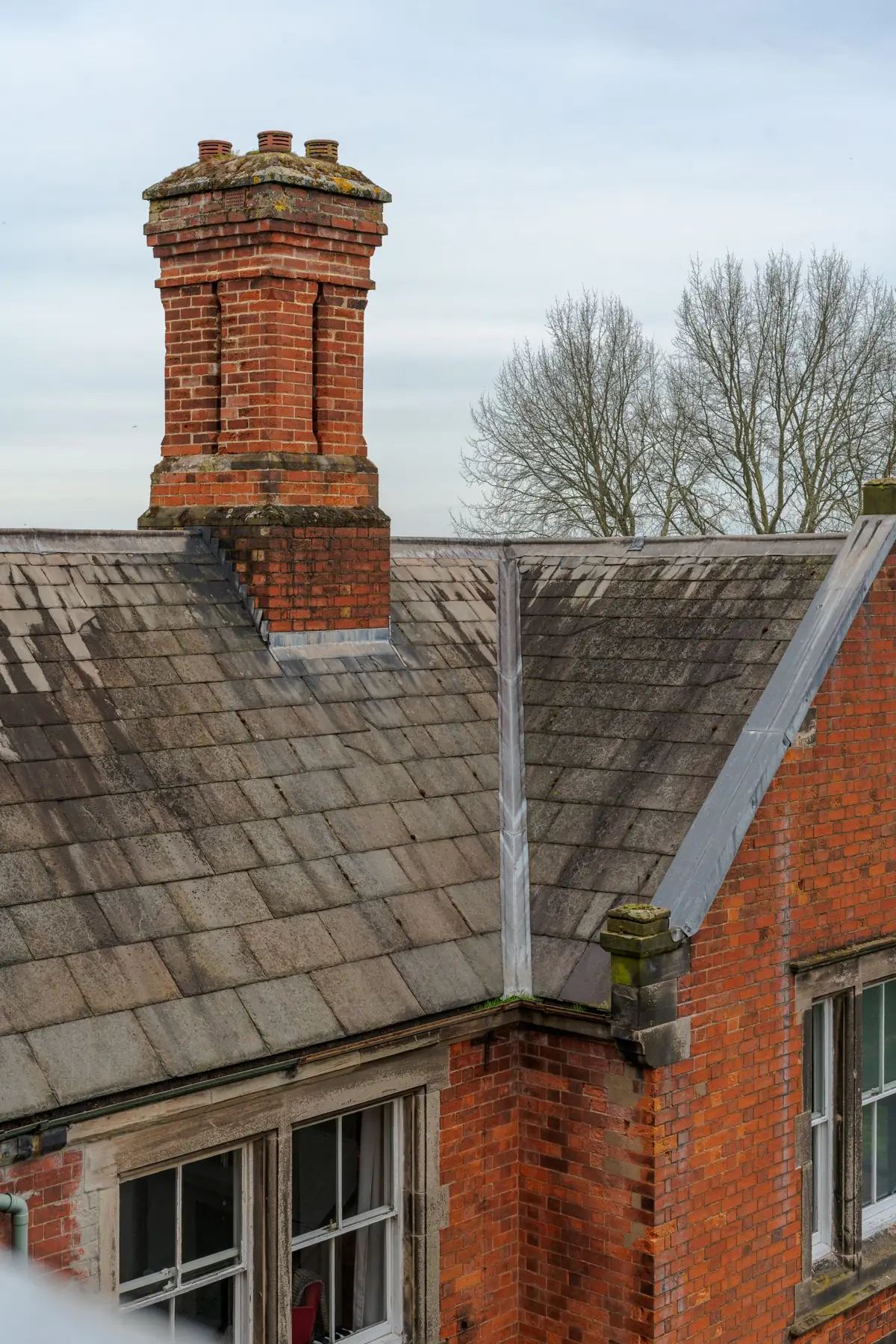
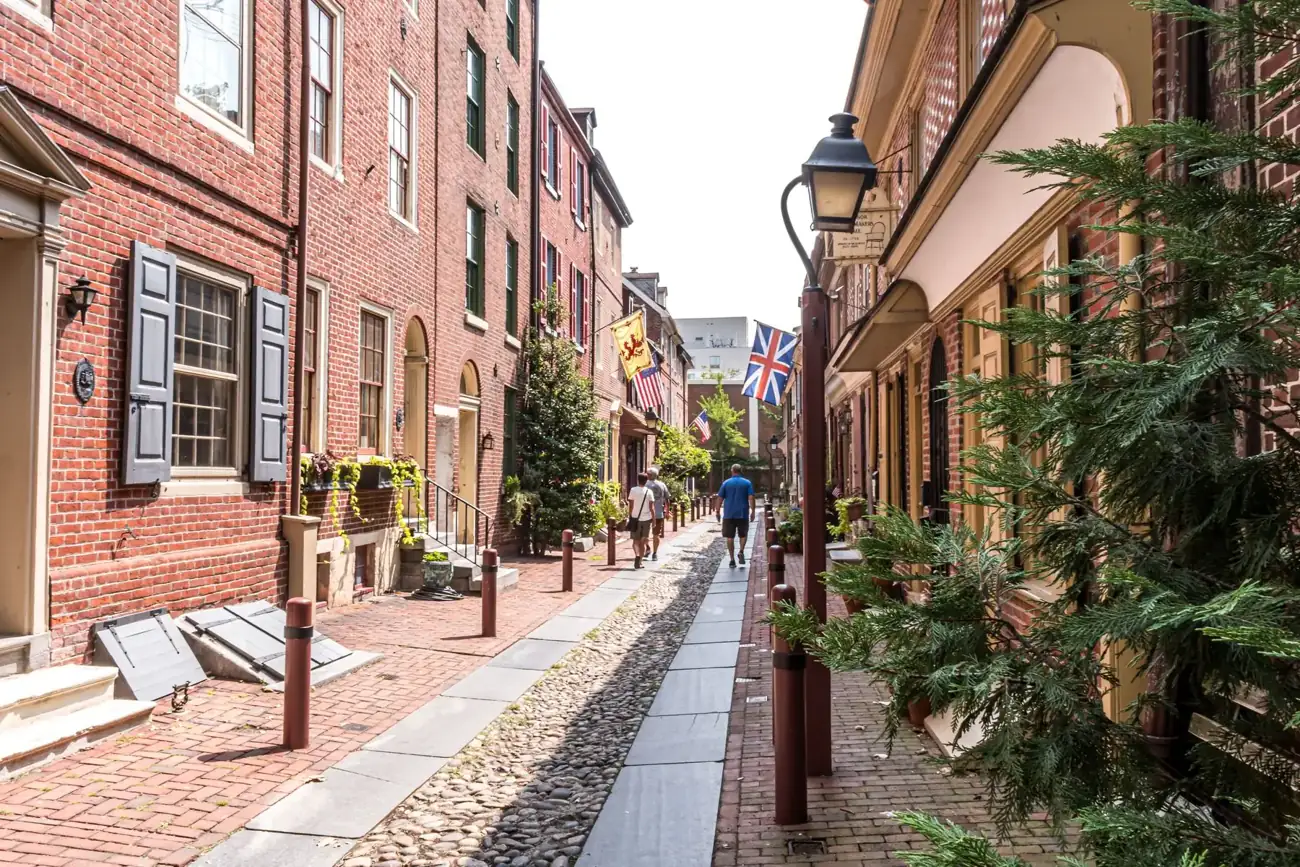
Why chimneys fail here
Party walls, frost and an oil boiler.
The three problems we see most between Center City and Lancaster.
days' notice before a neighbor builds above you
Philadelphia regulation B-3307.1: if construction next door rises above your roof and your chimney is within 10 feet, the builder must notify you at least 60 days ahead and offer to extend your chimney. Rowhouse chimneys
freezing nights a year in West Chester
NOAA's 1991–2020 normals give West Chester about 131 nights at or below freezing, against about 62 in Center City. Every one of them works water deeper into a cracked crown. Chimney crown repair
of Levittown homes heat with oil
Fuel oil still heats a fifth of Bucks and Berks county homes (Census ACS 2024). When a house switches to gas, the water heater is often left alone in a flue sized for the old boiler. Furnace and water heater flues
The first visit
The inspection is free.
Local chimney companies that publish prices charge $69 to $500 for an inspection. We charge nothing for ours, and you leave the visit with photos and a written number.
Chimney inspection
- On the roof: crown, cap, flashing, brick or stone joints
- Indoors: firebox, damper, smoke chamber, the flue with a light
- Basement: the furnace, boiler or water heater sharing the stack
- Paper: photos plus a priced list of anything worth fixing
Buying or selling a house
- Done before the inspection contingency runs out
- Findings in writing, ready to forward to the agent
- The PA REALTORS® disclosure form asks when the chimneys were last cleaned
- Philadelphia sellers certify smoke and CO alarms to the buyer
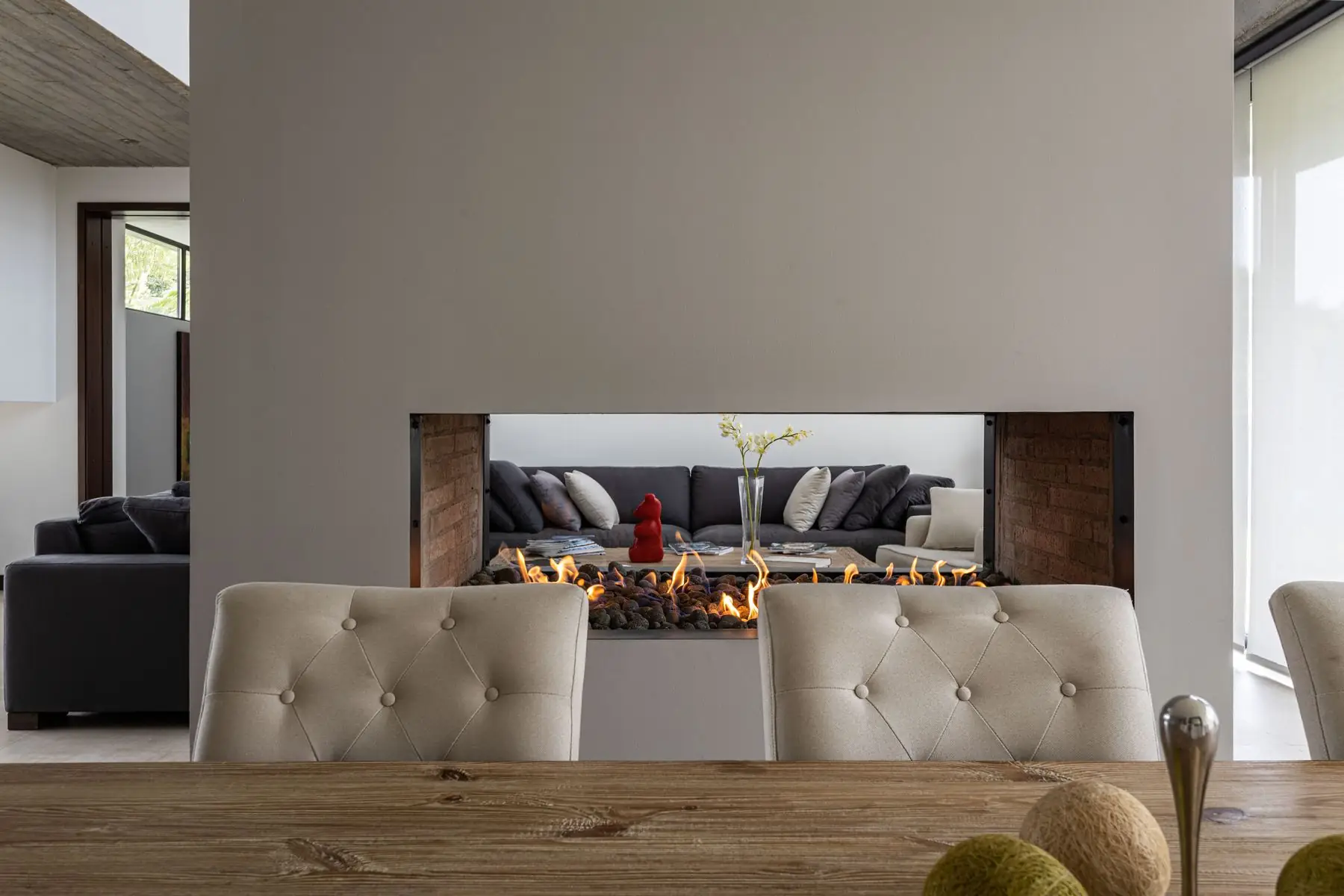
Gas fireplaces
Push the button, get a flame.
Pilot hoods, thermocouples, igniters, valves and the yearly clean-up, plus gas inserts set into firebox openings that used to burn wood. Smell gas? Get everyone outside, then phone the utility from the sidewalk: PGW 215-235-1212 in Philadelphia, PECO 800-841-4141, or UGI 800-276-2722.
Where we work
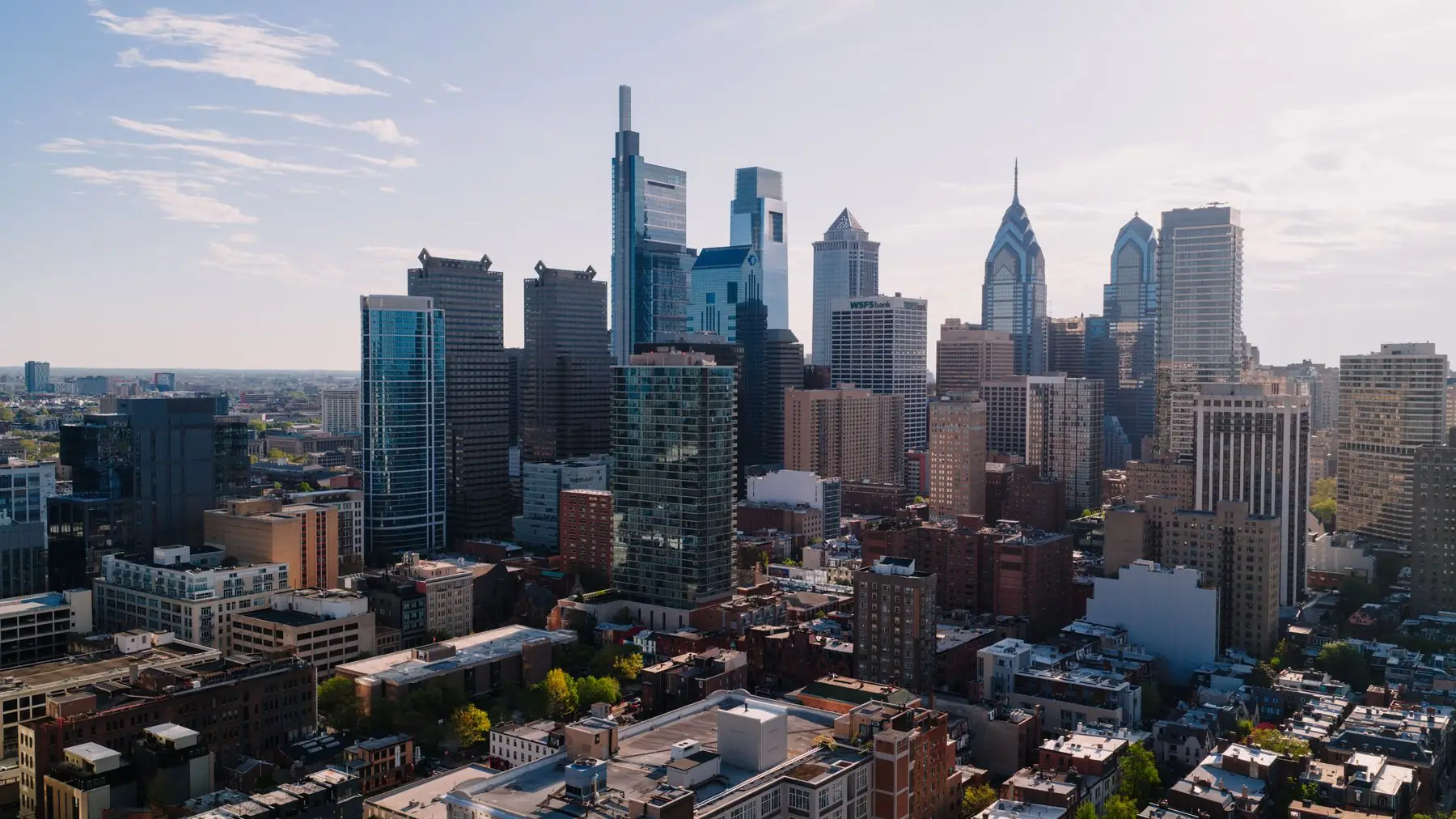
Philadelphia and SE Pennsylvania, out to Reading and Lancaster.
Answers
What people ask us
Do you charge for the inspection?
Nothing. A technician goes over the firebox, flue, roof-level masonry and every appliance tied into the stack, shows you the photos and hands you a written list with prices. If the flue needs sweeping, that price is on the same list.
My neighbor is building a third floor next to my chimney. Who has to fix it?
Philadelphia's regulation B-3307.1 puts the first step on the builder. If new construction rises above your roof and your chimney or vent is within 10 feet, the builder must send written notice at least 60 days before work starts and offer to secure permits and pay for or perform the extension, under a separate mechanical permit you authorize. If you turn the offer down or don't answer, the responsibility shifts to you. Problems with the chimney that existed before the extension are always the owner's to fix.
Do I need Historical Commission approval to repoint my chimney?
If your Philadelphia property is designated or sits in a historic district, yes. The Historical Commission's rules count pointing masonry as an alteration. Staff can approve like-for-like pointing, and recent permits have been approved on condition that staff review a mortar sample in the field before work begins. We help you prepare the photos and scope.
Do I need a carbon monoxide alarm when I sell a house in Philadelphia?
Yes. Under the Philadelphia Fire Code, a seller certifies in writing to the buyer that the required smoke and carbon monoxide alarms are installed and working. Outside the city, Pennsylvania's Act 121 of 2013 asks sellers of one- and two-family homes to disclose CO detectors on the property disclosure statement.
We switched from oil to gas. Does the chimney need a liner?
Often it does. The 2021 International Residential Code that Pennsylvania adopted on January 1, 2026 says that when an appliance is disconnected from an existing chimney, or a new one is connected, the chimney must be resized as needed to control flue gas condensation. A gas water heater left alone in a big flue that once served an oil boiler is the usual case.
How often should a chimney be inspected?
Once a year is the national rule of thumb (NFPA 211), with a sweep whenever the inspection finds build-up. PGW gives Philadelphia customers the same message in its own words: have the appliances, chimney and flue serviced regularly by a qualified technician.
Schedule
Choose a morning or an afternoon.
Sunday through Friday, arrival between 8 and 11, 11 and 2, or 2 and 5. The look costs nothing, and a person phones you the day before.