We switched from oil to gas. Does the old chimney need a liner?
Often, yes. When a furnace or boiler is removed from a chimney, or a new appliance is connected, the 2021 IRC wants the flue resized so that condensation stays under control. The textbook case is a small gas water heater now venting by itself up a flue built for an oil boiler, and a stainless liner is the usual fix.
Philly Chimney & Fireplace Repair · November 5, 2026
Oil is still common here
Census figures from the 2024 American Community Survey show how much of this area still burns heating oil. About 60% of homes in Levittown heat with fuel oil. In Ephrata and Pottstown it is about 36%, in Kennett Square 31%, and across Bucks and Berks counties about 21%. Nationally the figure is 3.5%.
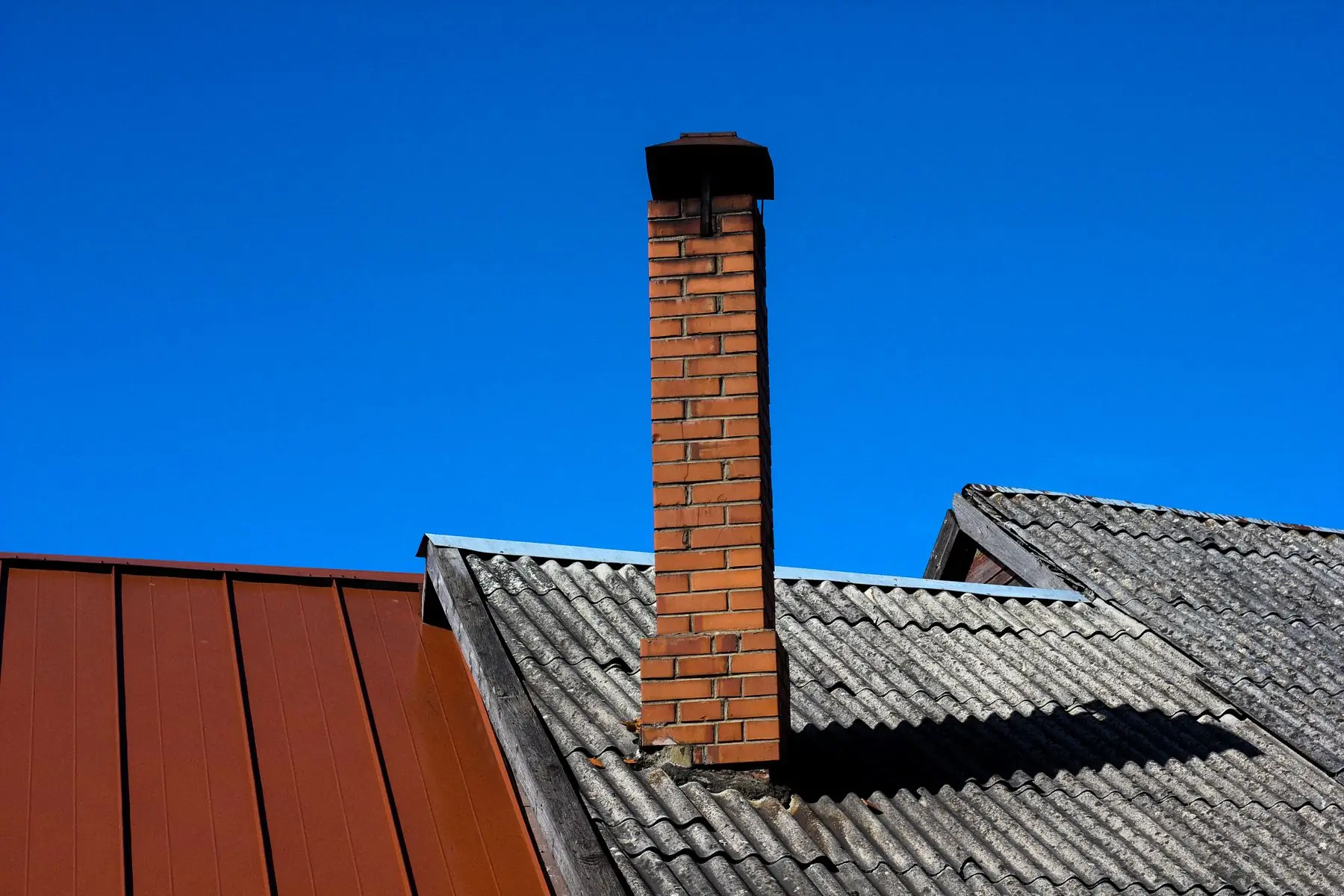
Each of those houses has a chimney sized for an oil burner. When the owner converts to natural gas, the masonry stays the same while everything venting into it changes.
The orphaned water heater
A common sequence: a new high-efficiency gas furnace goes in, and it vents through a plastic pipe out the side wall. The water heater stays on the old chimney. Before, the heater shared a warm, busy flue with the boiler. Now it is the only thing using a large, cold masonry passage.
A small burner cannot warm a big flue. The exhaust cools on its way up, the water vapor in it condenses on the inside of the chimney, and the draft gets weak. Condensate is acidic; over time it eats mortar and clay tile, and a weak draft can let exhaust spill back at the water heater's draft hood instead of going up.
What the code says
Pennsylvania has used the 2021 International Residential Code since January 1, 2026. Several sections speak directly to a conversion:
- G2425.15 (and M1801.3): once an appliance comes off an existing chimney for good, or a new one is hooked up, the flue has to be resized where needed so exhaust condensation stays in check and the draft is adequate.
- G2427.5.5: before a vent connector is connected to a chimney, the passage must be examined, and cleaned if it previously vented solid or liquid fuel. Oil is a liquid fuel.
- G2427.5.2: a masonry chimney venting gas must be lined with clay, a listed liner, or material good to 1,800°F.
- G2427.5.6.1: a gas appliance cannot connect to a flue that serves a wood or other solid-fuel appliance.
- R1003.12.2: the space around a liner cannot be used to vent another appliance.
What a conversion usually needs
For an older house, current code calls for a flue sized and lined for what actually vents into it now. In most conversions that means sweeping out the oil soot, checking the clay tile, and running a stainless liner matched to the water heater, or to the new boiler if it still uses the chimney. A stainless furnace or boiler liner, installed, typically runs $2,100–$3,800 in our area.
Utility conversion guides cover the gas line and meter, not the chimney. UGI's gas conversion process page says nothing about liners, so ask about the flue yourself before the installer leaves. In Philadelphia, L&I requires a mechanical permit for new or replacement appliances, and L&I requires a licensed contractor for the appliance work itself.
Signs the flue is struggling
Watch for rust flakes or white crust at the bottom of the chimney or the cleanout, water stains on the chimney wall in the basement, a damp or sour smell near the water heater, or scorch marks around its draft hood. UGI warns that a damaged or blocked chimney could let exhaust gas, including carbon monoxide, into the home. Any of these is worth a call.
Our flue check covers the furnace, boiler and water heater and is free. We look at the clay tile, the base of the stack and the connector pipes, and tell you in writing whether the flue needs a liner, a sweep or nothing at all.
Answers
Follow-up questions
My new furnace exhausts through a side wall. Does the old chimney still need a liner?
If the water heater still uses the chimney, it may. The code calls for resizing the chimney when an appliance is disconnected, and the common way to meet it is a liner matched to the water heater's output.
Does the chimney need cleaning after oil?
Yes. IRC G2427.5.5 calls for the passage to be examined and cleaned when it previously vented liquid fuel, before a new gas appliance is connected.
Can the fireplace share the new liner's chimney?
Not in the same flue. A wood fireplace cannot share a flue with a gas appliance, and the space around a liner cannot vent another appliance.
Next up
Other Philly chimney notes
 My neighbor built above my chimney. Who has to fix it in Philadelphia?When the house next door goes up a floor, your chimney can end up too short. What Philadelphia's B-3307.1 makes the builder offer, and when it's on you.
 Does my chimney work need Philadelphia Historical Commission approval?On a designated Philadelphia property, chimney pointing counts as an alteration. How staff review works, the mortar sample, and the Diamond Street B-vent rule.
 What chimney and carbon monoxide rules apply when I sell a Philadelphia house?Philadelphia sellers certify smoke and CO alarms in writing. The PA REALTORS® form asks when chimneys were last cleaned. What the law asks and what it doesn't.

Schedule
Choose a morning or an afternoon.
Sunday through Friday, arrival between 8 and 11, 11 and 2, or 2 and 5. The look costs nothing, and a person phones you the day before.